
Functional Home Robots to Emerge in China Within Two Years
Led by Xu Huazhe, Shell-Breaking Robotics targets the home AI market with a unique 32B world model, aiming to deploy generalizable domestic robots by 2028.
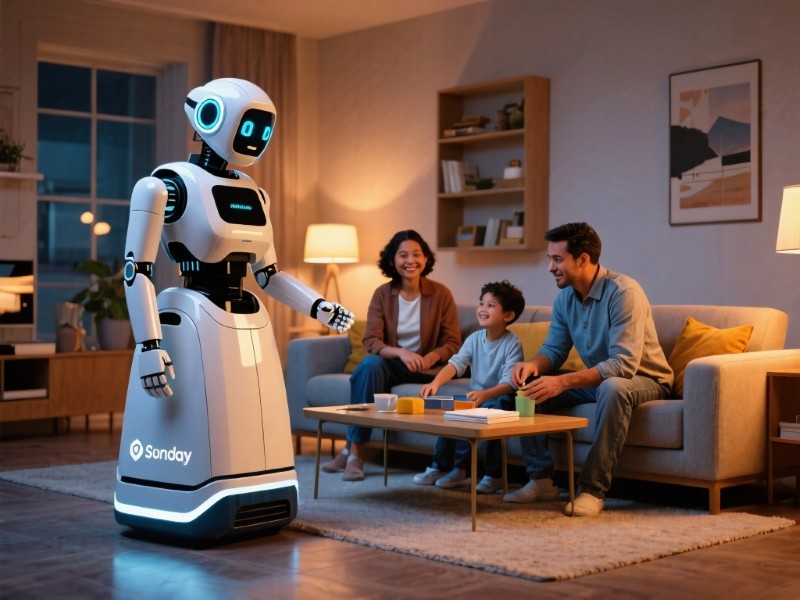
In 2026, global entrepreneurs in embodied AI have collectively shifted their focus toward a “deep water” zone: the home.
Fueling this passion is the emerging evidence of the “Scaling Law” within the industry. First, Silicon Valley’s Generalist AI validated the potential of their GEN-1 model; by feeding the robot massive amounts of data, the success rate for precision tasks surged from 64% to a staggering 99%. Subsequently, the high-profile unicorn Sunday Robotics addressed the challenge of home data collection by launching the “Umi” data glove and deploying its robot, Memo, to perform household chores like tidying tables and folding clothes, attracting significant capital investment.
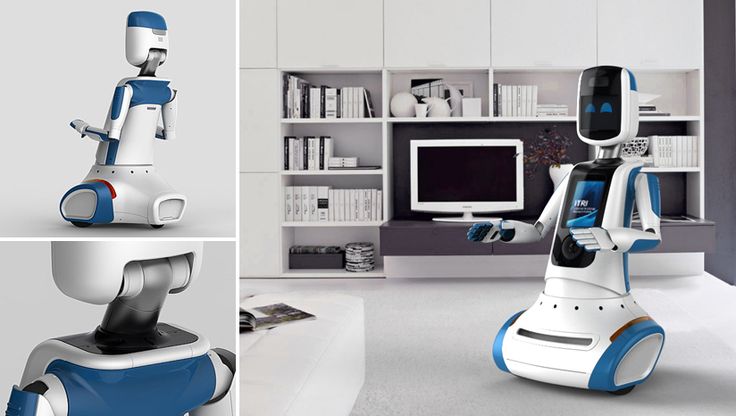
Across the ocean in China, a familiar face has entered the home robotics fray: Xu Huazhe. “Within two years, functional home robots will appear in China,” he asserts, offering an optimistic and bold industry outlook. As an Assistant Professor at Tsinghua University’s Institute for Interdisciplinary Information Sciences and one of the “Berkeley Four,” Xu previously co-founded Xinghaitu, turning it into a star embodied AI company. However, at the peak of its valuation, Xu ventured out to start his own company, “Shell-Breaking Robotics” (Peke Robotics).
His goal is to create truly generalizable embodied AI robots capable of working in domestic settings. This ambition isn’t new; inspired by Steve Jobs’ biography in his youth, Xu pursued reinforcement learning at Tsinghua, Berkeley, and Stanford with the dream of bringing robots into millions of homes. His ideal home robot would tackle complex, multi-step tasks that previous generations (like vacuum robots) couldn’t—such as meticulous cleaning and organized laundry management.
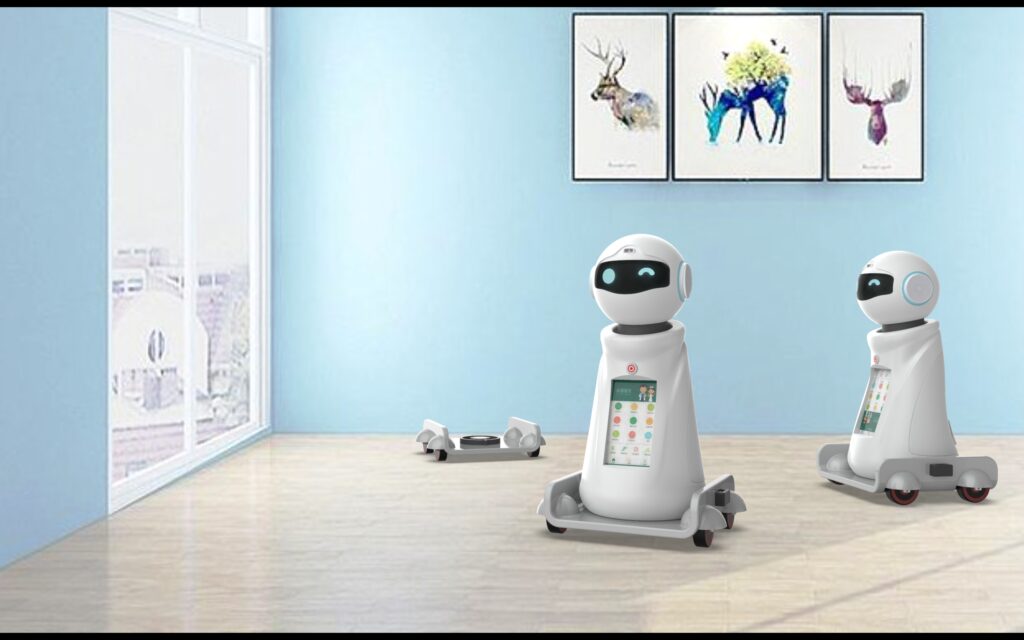
Xu views this direction through a lens of “aesthetic purity,” believing that true generalizability lies in using elegant models to solve complex human problems. He argues that many current humanoid robots in factories are simply doing “old tasks with new forms.” In contrast, he believes true AGI (Artificial General Intelligence) will be born in the home, where environments are more chaotic and data-rich—the perfect soil for training universal models.
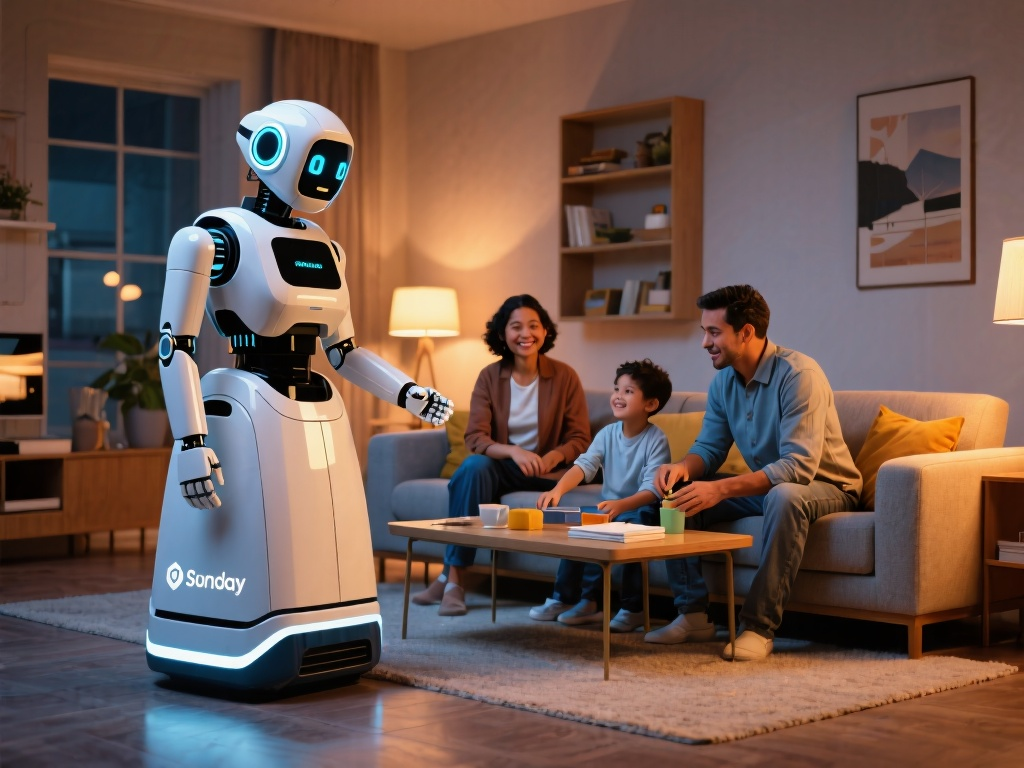
Within just one month of founding, Shell-Breaking Robotics has completed financing, team building, and initial model training. Diverging from the mainstream VLA (Vision-Language-Action) approach, Xu is building a world model that directly inputs and outputs “Video-Action.” He also introduced a unique “UAG Architecture,” using parallel pre-training to quintuple efficiency. Currently, their first-generation 32B-parameter embodied world model has finished its initial training, supported by several iterations of proprietary data-collection hardware.
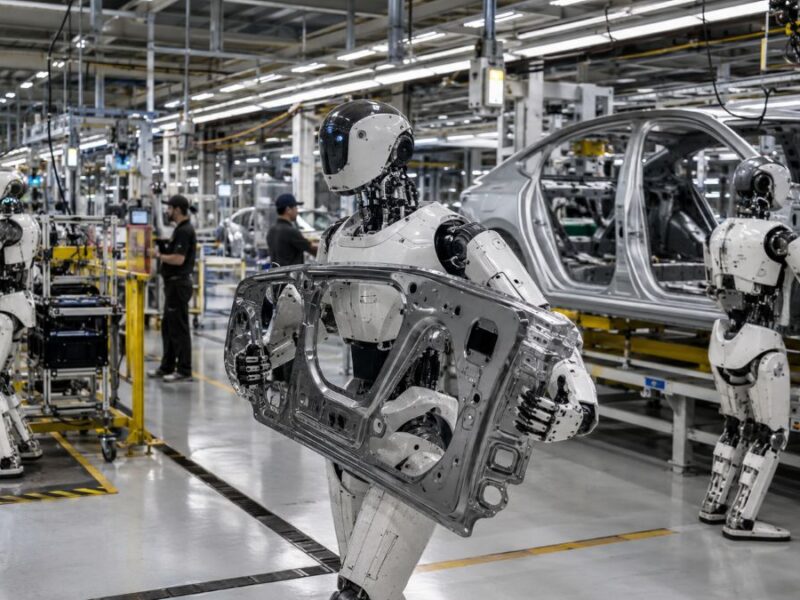 2026 Smart Robotics Industry Report
 Are Robots Taking Jobs? Amazon Hits 1 Million!
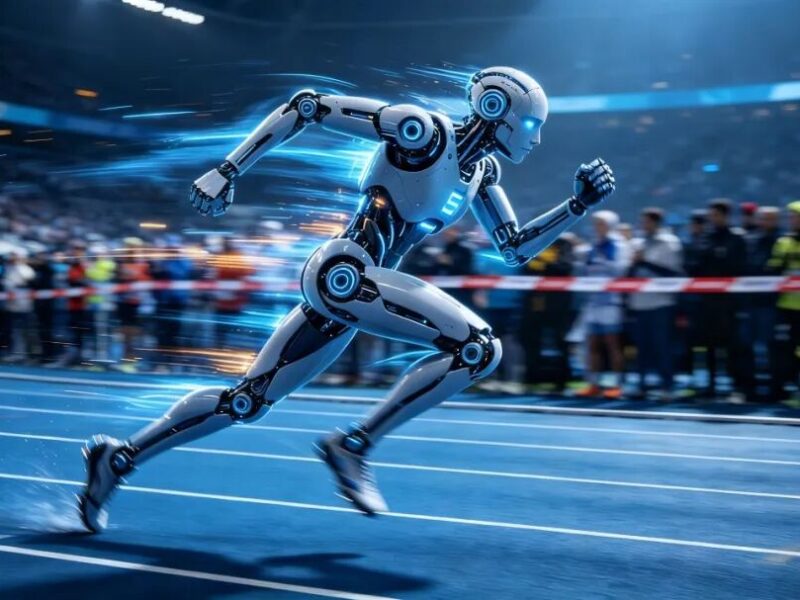 What Is a Robot Marathon Really Testing?
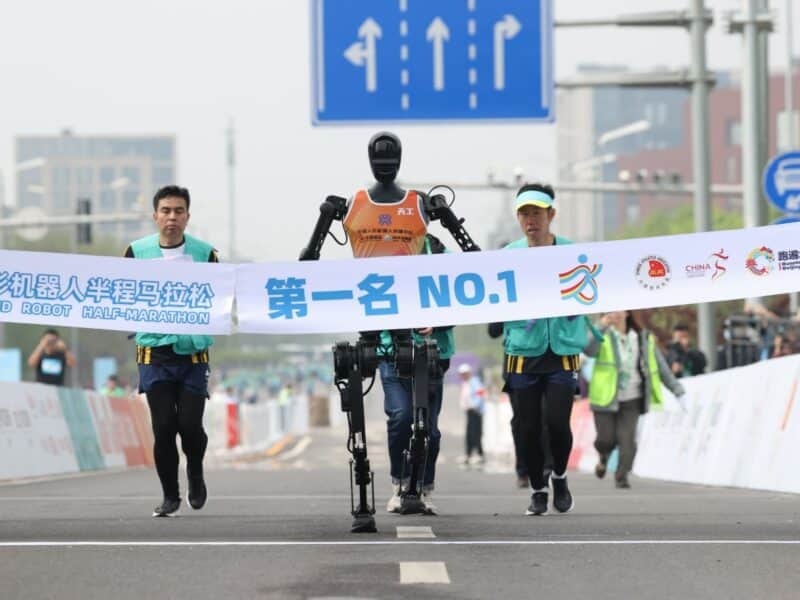 What Is the Meaning of Humanoid Robots Running a Marathon?