
War Robots Appear on the Ukraine Front
Humanoid war robots have appeared on the Ukraine front, showing how ground machines may scout, carry supplies, and reduce risks for soldiers.
Table of Contents
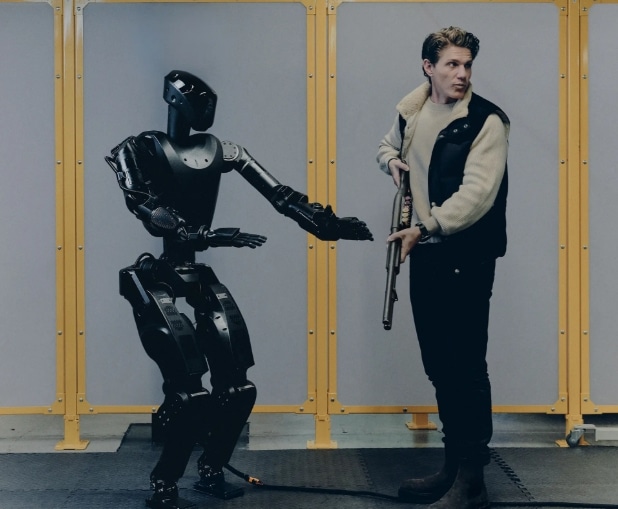
Robots are no longer just flying over the Russia-Ukraine battlefield. They are now moving on the ground, too.
According to reports, both sides have used ground robots for scouting, carrying supplies, and supporting combat missions. Ukraine is also planning a much larger use of unmanned ground vehicles, with tens of thousands expected to be ordered for frontline work.
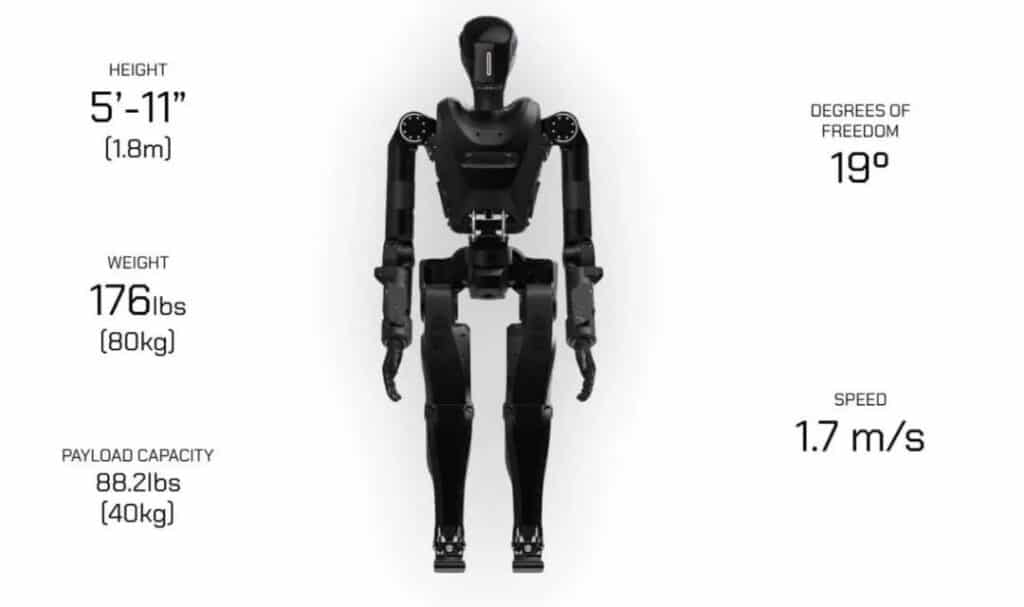
One report says two humanoid robot soldiers called Phantom MK-1 were sent to Ukraine in February for battlefield testing. The robots were developed by the U.S. startup Foundation. They are said to be about 1.8 meters tall and weigh around 80 kilograms.
Their first known role is not a movie-style attack mission. It is simpler, and perhaps more useful: reconnaissance.
That means moving near dangerous areas, watching enemy positions, and sending information back to human soldiers.
For readers of AX Robots, this is a clear sign that military robotics is entering a new stage. Drones changed the sky over the battlefield. Ground robots may now begin to change the land war below.
Humanoid Robots May Become All-Purpose War Tools
Humanoid robots are built to move more like people than wheeled or tracked machines.
That matters on a broken battlefield.
A robot with legs may be able to climb over rubble, move through damaged buildings, cross rough ground, or enter places where a normal vehicle cannot go. In cities, that could include stairways, narrow halls, basements, tunnels, and ruined homes.
The main reason is risk.
Sending a person into a mined road, a shell-damaged building, or a hidden enemy position can be deadly. Sending a robot first may give soldiers more time to see danger before they step into it.
These robots could help in several ways:
| Role | What the robot may do |
|---|---|
| Scouting | Check dangerous areas before soldiers enter |
| Supply | Carry ammunition, food, batteries, or medical kits |
| Search | Move through buildings, tunnels, or ruins |
| Support | Help troops during high-risk attacks |
| Rescue | Assist in moving wounded soldiers from danger |
Phantom MK-1 is reported to carry about 20 kilograms. That is enough for ammunition, tools, batteries, or medical supplies.
This may sound small. On the front line, it is not.
A few extra boxes of ammunition or a medical kit delivered at the right time can matter. A robot does not get tired. It does not panic. It can be repaired or replaced.
Human soldiers cannot.
Some armed ground robots are already being tested or used in Ukraine. Reports have described machine-gun-equipped vehicles, flamethrower-style robots, and tracked systems used for attack, defense, and evacuation work.
Still, humanoid robots face big limits.
Mud can stop them. Batteries can run out. Radio links can be jammed. Sensors may fail in smoke, rain, dust, or thick trees. A robot that looks strong in a video may struggle in real combat.
That is why Ukraine is a harsh test ground. If a robot can work there, military planners around the world will notice.
A Revolutionary Impact on Future War
Ground robots could change how armies think about danger.
For many years, the most painful cost of war has been human loss. If robots take over the most dangerous jobs, fewer soldiers may be sent into the worst places first.
That is the hope.
But there is another side.
If leaders believe robots can fight with fewer human losses, they may feel less pressure to avoid conflict. War could seem cheaper. That would be dangerous.
There is also the question of control.
Today, many battlefield robots still depend on human operators. A person chooses where the machine goes and what it does. But as artificial intelligence improves, future machines may make more decisions on their own.
That raises hard questions:
- Who is responsible if a robot kills the wrong person?
- Should a machine ever choose a human target by itself?
- How can international law control weapons that learn and act quickly?
- What happens if cheap armed robots spread to more countries or armed groups?
These are not science-fiction questions anymore.
The Russia-Ukraine war has already pushed drone warfare forward at high speed. Reports say both sides are racing to improve autonomous systems, including drones that can track or attack targets with less human control.
Humanoid robots like Phantom MK-1 are still early. They are not yet the main force on the battlefield.
But their arrival is symbolic.
The image is hard to ignore: a machine shaped like a soldier, walking into a real war zone.
For AX Robots, the lesson is clear. The future of robotics will not only be built in factories, hospitals, and warehouses. Some of its most serious tests are now happening in war.
And that future will need more than better motors and smarter software.
It will need rules.
It will need limits.
It will need humans willing to ask where the machine should stop.
 Humanoid Robots Move Into Real Business
 Humanoid Robots: China’s Policy Roadmap
 Lumos Robotics Raises Total Funding Near $140M
 China Mobile Unveils Lingxi Robot Family