
Humanoid Robots Move Into Real Business
Humanoid robots are moving from demos to real business, driven by policy support, AI progress, supply chains, and rising investment in China and beyond.
Table of Contents
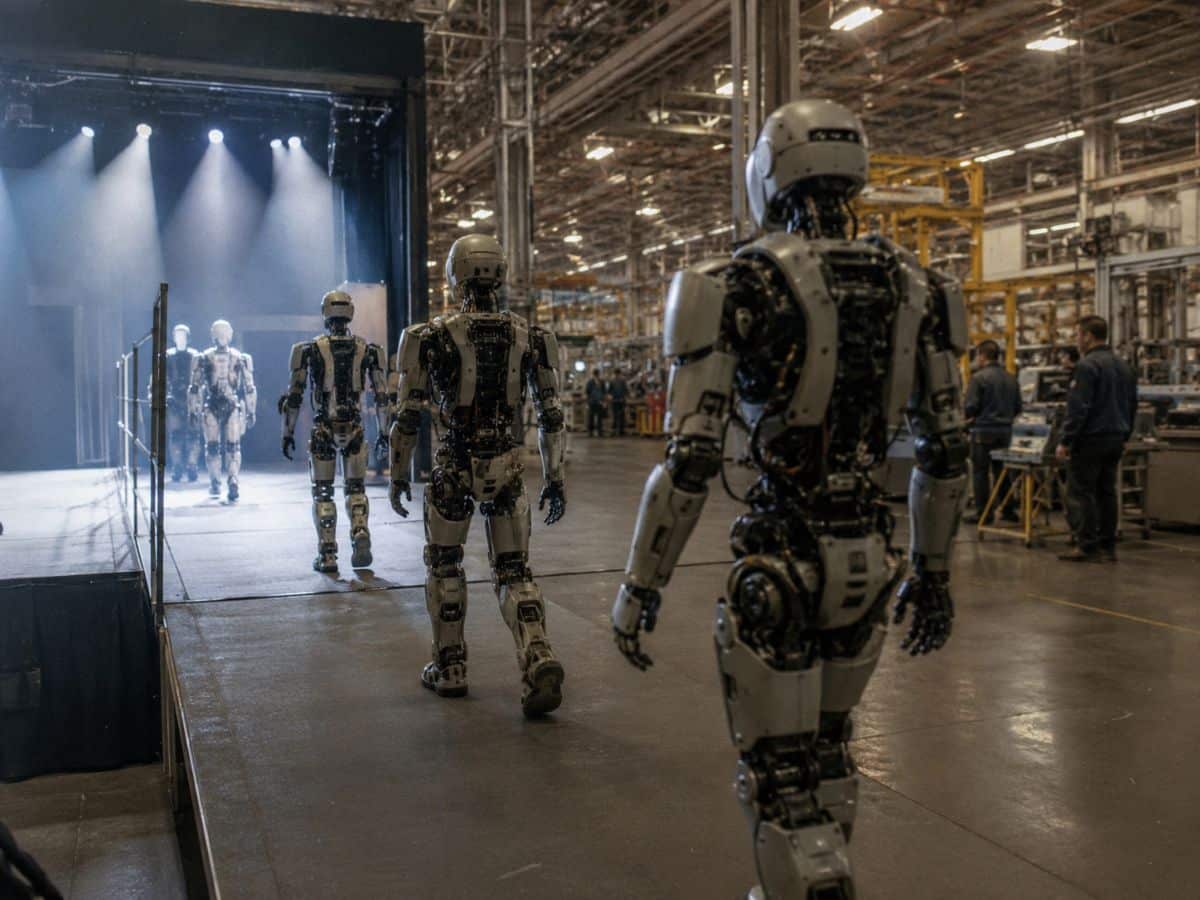
Humanoid robots are no longer just stage stars.
They are walking into factories, warehouses, hospitals, stores, and homes. What used to look like a science show is now becoming a serious business race.
At AX Robots, this shift is especially important to watch. Humanoid robots are moving from “look what we can do” to “here is what we can solve.”
Policy Support: A Future Industry Priority
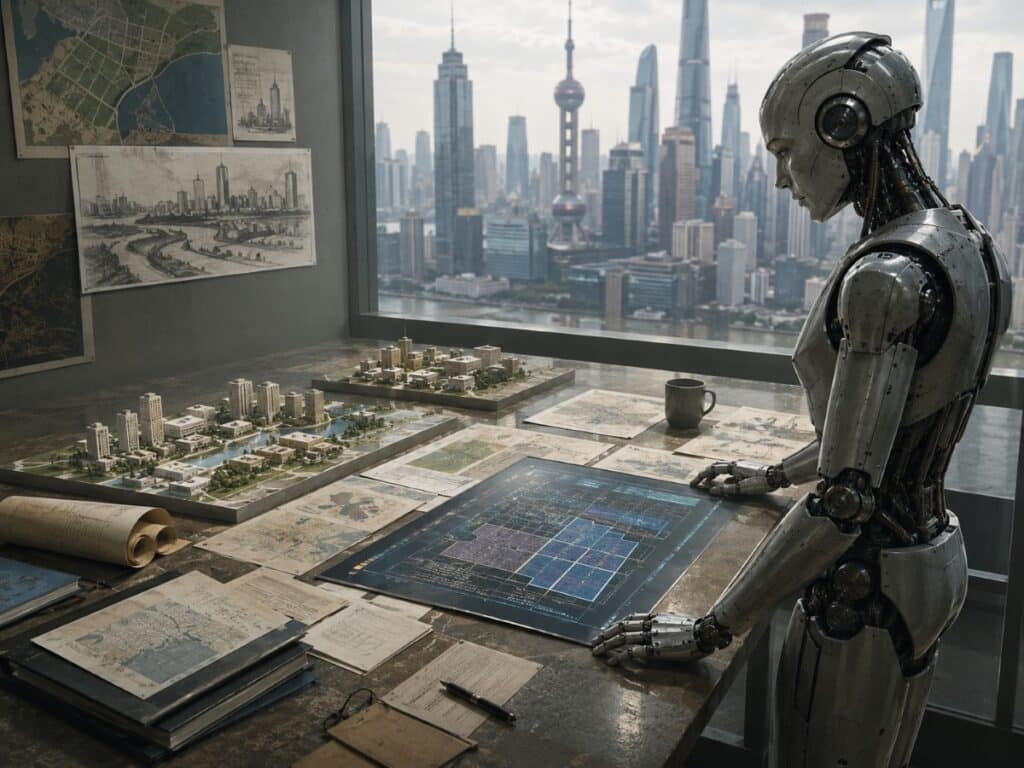
China has placed embodied intelligence high on its national agenda.
Embodied intelligence means AI systems that can sense, move, and act in the real world. Humanoid robots are one of its most visible forms.
In the 2026 government work report, embodied intelligence was named together with future energy, quantum technology, brain-computer interfaces, and 6G.
That matters.
It means robots are not being treated as a side project. They are becoming part of China’s future industry plan.
The 15th Five-Year Plan also listed embodied intelligence as a core future industry. Over the next five years, the robot sector is expected to gain stronger support in policy, funding, research, and real-world testing.
Local governments are moving too. Cities such as Wuhan, Beijing, and Hangzhou are using subsidies, open test sites, and investment funds to help robot companies move faster.
For humanoid robots, the message is clear: the road from lab to market is getting shorter.
Big Companies Enter the Race
The opportunity has pulled in many players.
Internet firms, technology companies, carmakers, and auto parts suppliers are all entering the humanoid robot market. Some bring AI. Some bring hardware. Some bring factories and supply chains.
Overseas, Tesla and Figure AI are pushing toward mass production. In China, companies such as Huawei, ByteDance, Xiaomi, and Xpeng are increasing their work in embodied intelligence.
Money is moving quickly as well.
Unitree Robotics has taken a major step toward a public listing, aiming to become a leading name in China’s humanoid robot market. According to IT Juzi data cited in the source material, disclosed financing in China’s embodied intelligence sector has already passed 20 billion yuan since the start of 2026.
This kind of funding does more than fill bank accounts.
It helps companies hire engineers, build test lines, buy parts, train AI models, and improve products faster.
China’s Full Supply Chain Advantage
China has a strong position in this race because it has both AI talent and advanced manufacturing.
According to the source material, by 2025 China had more than 140 humanoid robot makers. These companies had released more than 330 products, with shipments reaching 14,400 units.
That was said to represent 84.7% of global shipments.
This shows one major strength: China is not only designing robots. It is building them at scale.
Software: The Robot’s Brain
A humanoid robot needs more than motors and metal.
It needs a “brain.”
Large AI models help robots understand language, read their surroundings, plan tasks, and make decisions. Better models can help robots move from passive command-following to more active learning.
In 2025, several Chinese robot companies began improving this ability. Their robots became better at sensing real spaces, understanding tasks, and adapting to changes.
That is a big step.
A robot in a factory cannot rely on perfect conditions. People move. Tools shift. Boxes fall. Machines change. The robot must adjust.
Open platforms may also speed up development. If leading companies provide standard tools and interfaces, more developers can build robot apps, training data, and task systems.
AX Robots sees this as one of the most important areas to track: the robot brain may decide how useful humanoid robots become.
Hardware: The Robot’s Body
The hardware side also matters.
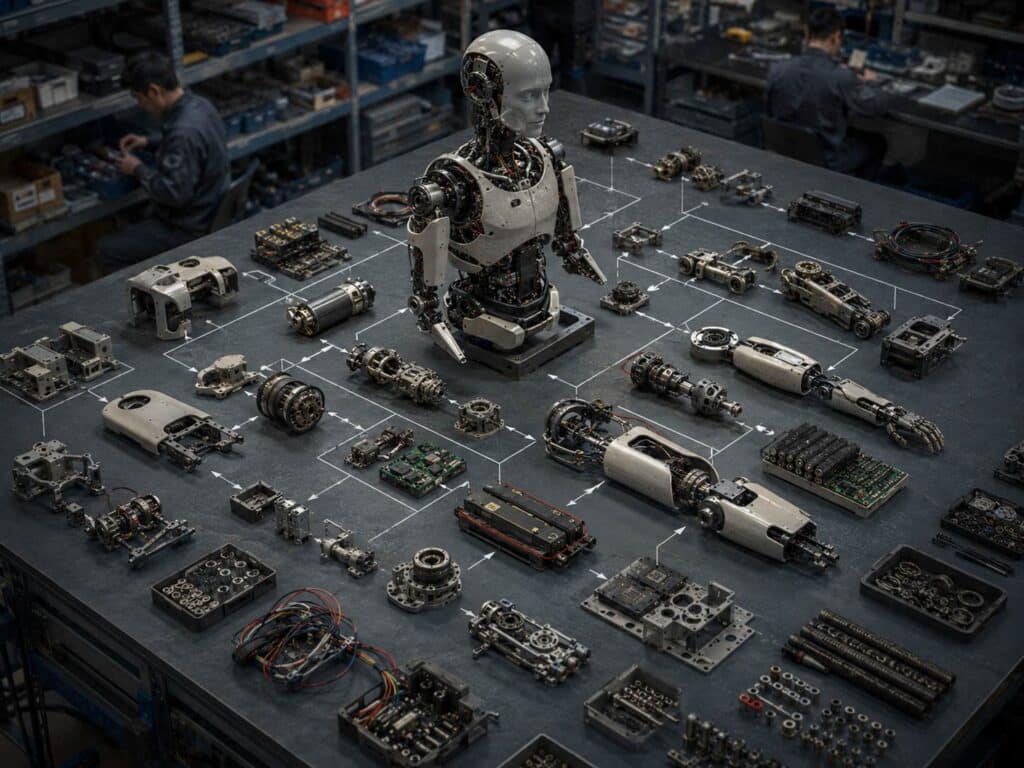
China already has a wide supply chain for reducers, servo motors, sensors, batteries, structural parts, and full machine assembly. Many parts can be sourced locally.
The country’s electric vehicle and consumer electronics industries provide another advantage. Motors, batteries, chips, cameras, and sensors used in those industries can also support robot production.
Scale can lower costs.
According to Morgan Stanley’s 2026 humanoid robot outlook cited in the source material, China’s humanoid robot bill-of-materials cost could fall by an average of 16% per year as production grows and processes improve.
The same report expects the global humanoid robot parts market to reach $780 billion by 2040.
That number points to a huge business beyond the robots themselves. Motors, joints, batteries, sensors, and control systems may become a massive market.
The Market Is Near a Production Turning Point
2026 may become a key year for humanoid robot mass production.
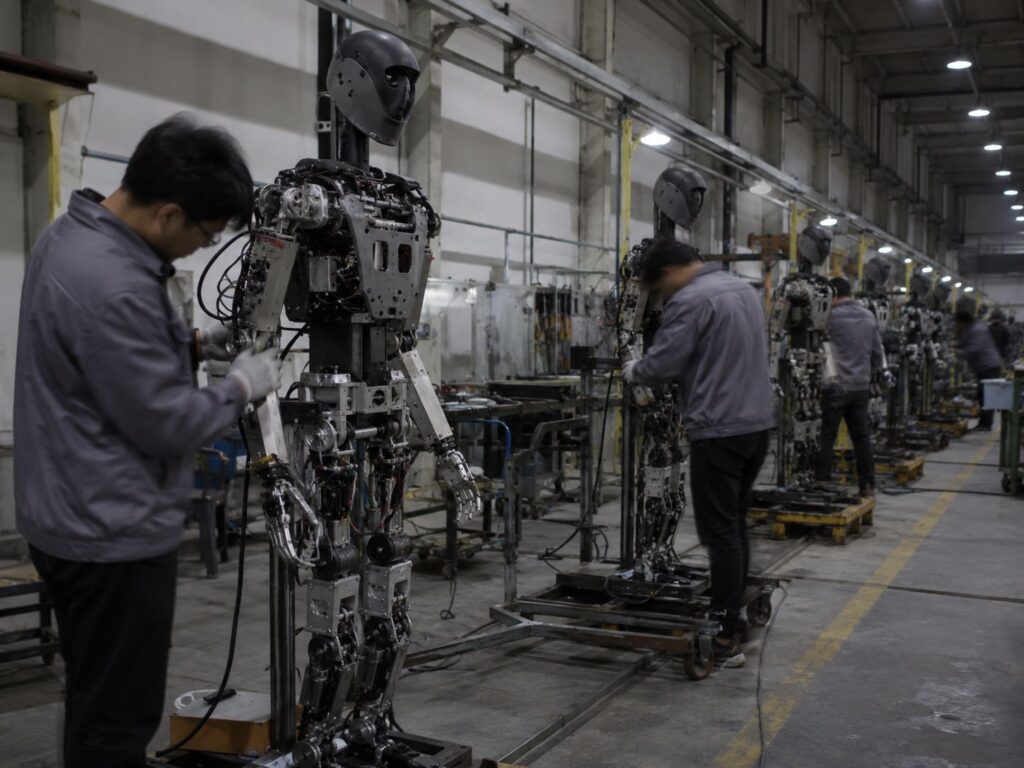
Tesla is installing humanoid robot production lines and expects to start production by the end of 2026, according to the source material. The planned peak capacity is said to reach up to 1 million units per year.
Chinese companies are also moving fast.
| Company | Reported Progress |
|---|---|
| Unitree Robotics | More than 5,500 humanoid robot shipments in 2025; target of 10,000 to 20,000 units in 2026 |
| Agibot | More than 5,100 annual shipments; reported 39% global market share |
| UBTECH | 2025 humanoid robot orders reached nearly 1.4 billion yuan |
The first major use case is likely to be industry.
Factories and warehouses are more controlled than homes. Tasks are clearer. Workflows can be repeated. That makes them easier places for humanoid robots to prove value.
A robot that can move boxes, inspect parts, carry tools, or support assembly work does not need to be perfect at everything.
It needs to be useful, safe, and cost-effective.
From Special Machines to General Workers
Traditional industrial robots are powerful, but they are often built for one task.
Humanoid robots aim for something different.
They are designed to work in spaces made for humans. Stairs, doors, shelves, carts, tools, and factory floors already match the human body. A humanoid shape may help robots enter these spaces without rebuilding everything.
This is why the industry is excited.
AI is no longer staying inside screens. It is moving into the physical world.
The shift could change manufacturing, logistics, healthcare, retail, and home services. Some changes will come slowly. Others may arrive faster than expected.
The race is not only about who can make a robot walk.
It is about who can make a robot work.
A New Industry Cycle May Be Starting
Humanoid robots now have several forces pushing in the same direction.
Policy support is stronger. Technology is improving. Capital is active. Supply chains are more complete. Early business models are being tested.
That does not mean every company will win.
Some robots will be too expensive. Some will fail in real workplaces. Some companies may run out of money before the market is ready.
But the direction is becoming harder to ignore.
Humanoid robots are moving past the show floor. They are entering the main commercial battlefield.
For readers following the robot industry through AX Robots, 2026 may be remembered as the year humanoid robots stopped being a future idea and started becoming a real industrial product.
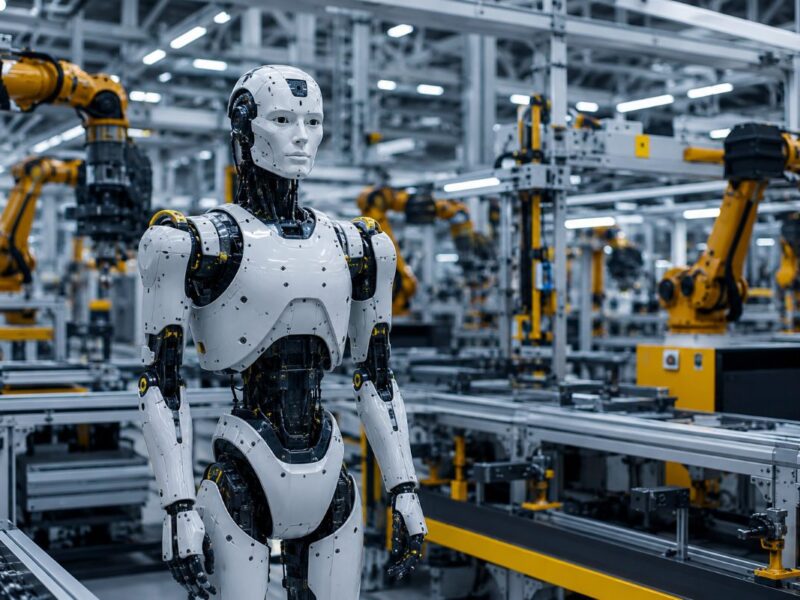 Humanoid Robots: China’s Policy Roadmap
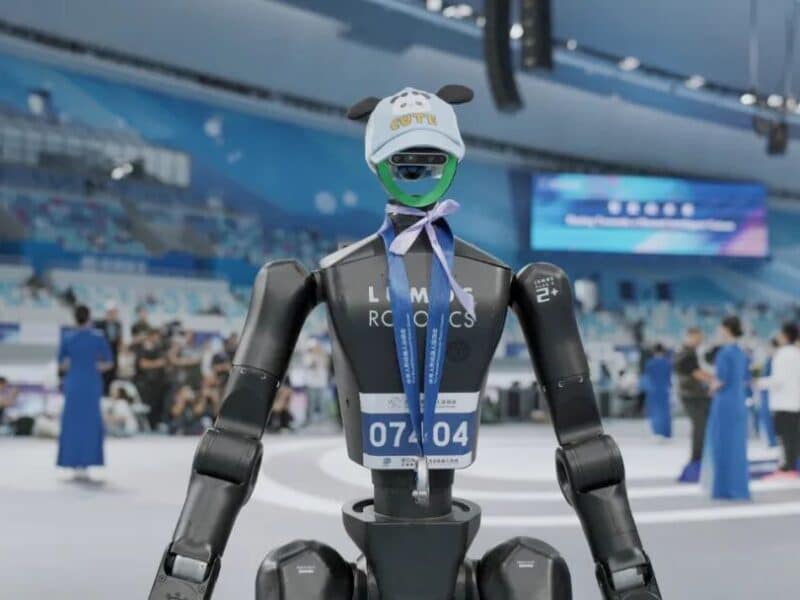 Lumos Robotics Raises Total Funding Near $140M
 War Robots Appear on the Ukraine Front
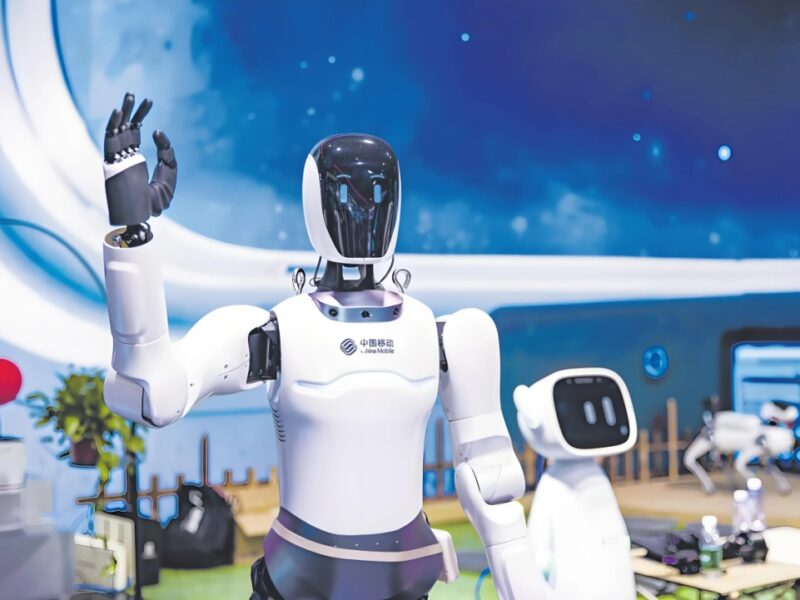 China Mobile Unveils Lingxi Robot Family