
Humanoid Robots: China’s Policy Roadmap
China’s humanoid robot policy has moved from high-end manufacturing to embodied AI, with clear goals for innovation, standards, applications, and industrial growth.
Table of Contents
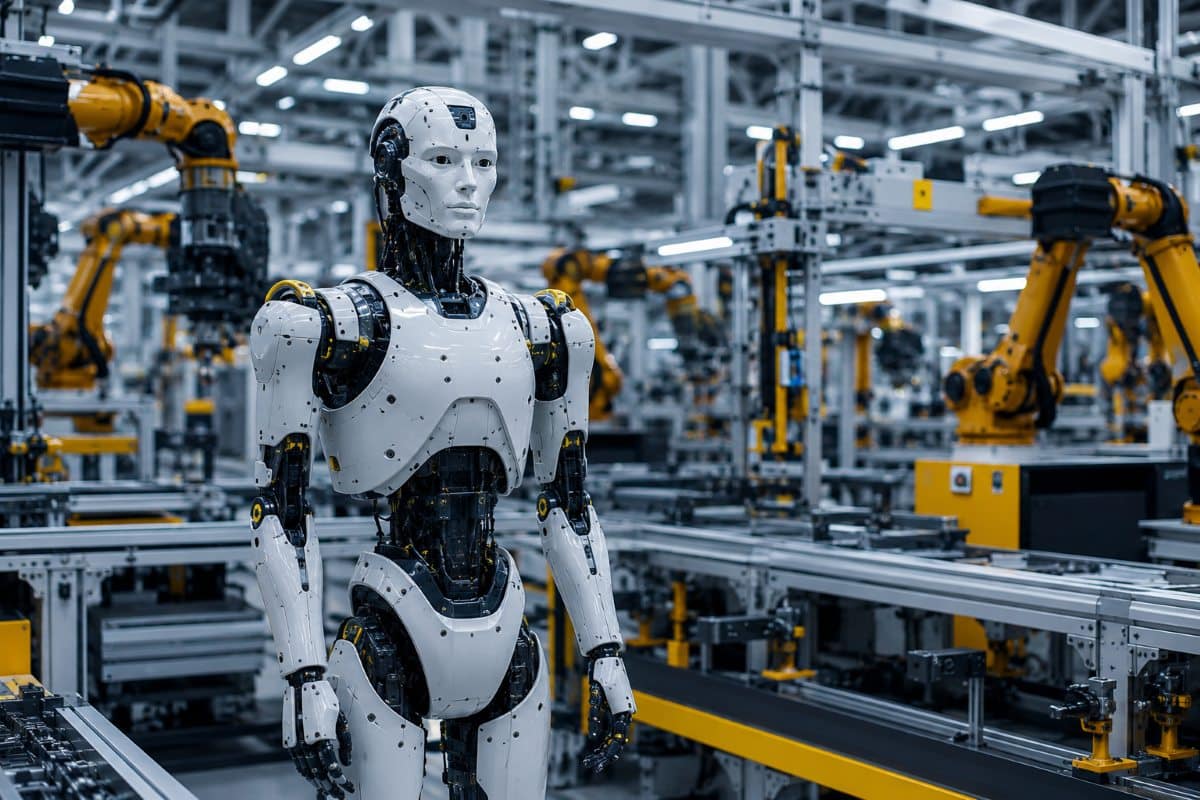
Humanoid robots are no longer just stage performers or viral videos.
After appearing in major public events, they have moved into a larger debate: industry, investment, national planning, and the future of work. For China, this is not a side project. It is now part of a long policy path.
This article from AX Robots looks at that path first. Before asking which companies may win, it is worth asking a simpler question: what does the government want this industry to become?
Robots Became a National Priority Early
China’s modern robot policy story can be traced back to 2015.
That year, the State Council released Made in China 2025. It named high-end CNC machines and robots as one of ten key areas for major breakthroughs.
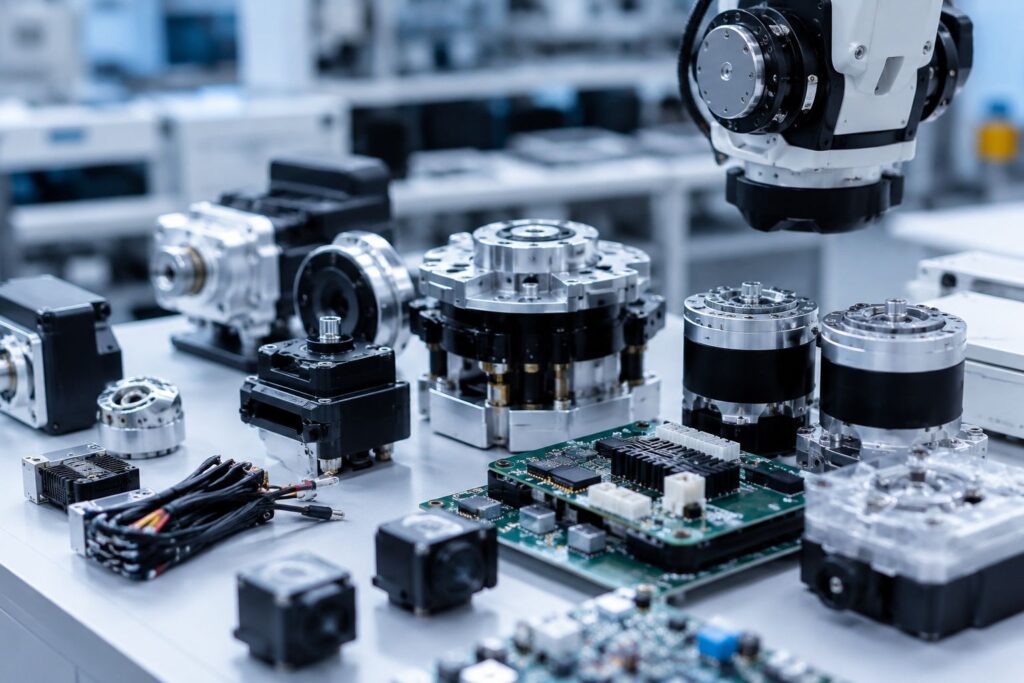
The focus was clear:
| Area | Why It Matters |
|---|---|
| Reducers | Help robots move with strength and precision |
| Servo motors | Control speed and position |
| Controllers | Act like the robot’s command system |
| Industrial robots | Support factories and production lines |
| Service robots | Work in homes, hospitals, shops, and public spaces |
| Special robots | Handle dangerous or difficult tasks |
This was the starting line.
In 2016, the National Development and Reform Commission issued the Robot Industry Development Plan (2016–2020). The goal was to turn broad ambition into a real industry plan.
The 14th Five-Year Plan Raised the Bar
In 2021, robots received a stronger national role.
China’s 14th Five-Year Plan and 2035 Long-Range Objectives placed robots inside the group of strategic emerging industries. It also called for breakthroughs in smart robot technologies and a major rise in robot density in manufacturing.
Later that year, the Ministry of Industry and Information Technology, together with other departments, released the 14th Five-Year Robot Industry Development Plan.
The wording was bold. The plan described the robot industry as the “pearl at the top of the manufacturing crown.”
That phrase matters. It shows how policymakers saw robots: not just as machines, but as proof of a country’s strength in science, innovation, and high-end manufacturing.
The plan set two big time goals:
| Year | Goal |
|---|---|
| 2025 | China becomes a global source of robot innovation, high-end manufacturing, and application |
| 2035 | China’s robot industry reaches a leading international level |
The plan also focused on five major tasks:
- Improve industrial innovation.
- Strengthen core industry foundations.
- Increase high-end robot products.
- Expand robot applications.
- Build stronger companies and industrial clusters.
By the middle of the decade, China’s robot industry had moved fast. Humanoid robots, in particular, began to stand near the front of the global race.
Some firms became more visible overseas. Many “little giant” companies also appeared in parts, systems, sensors, and robot software.
“Robot+” Put Robots Into Real Workplaces
In January 2023, another important policy arrived: the “Robot+” Application Action Plan.
Its message was simple: robots must leave the showroom and enter real use.
The plan aimed to double robot density in manufacturing by 2025, compared with 2020. It also called for wider use of service robots and special robots.
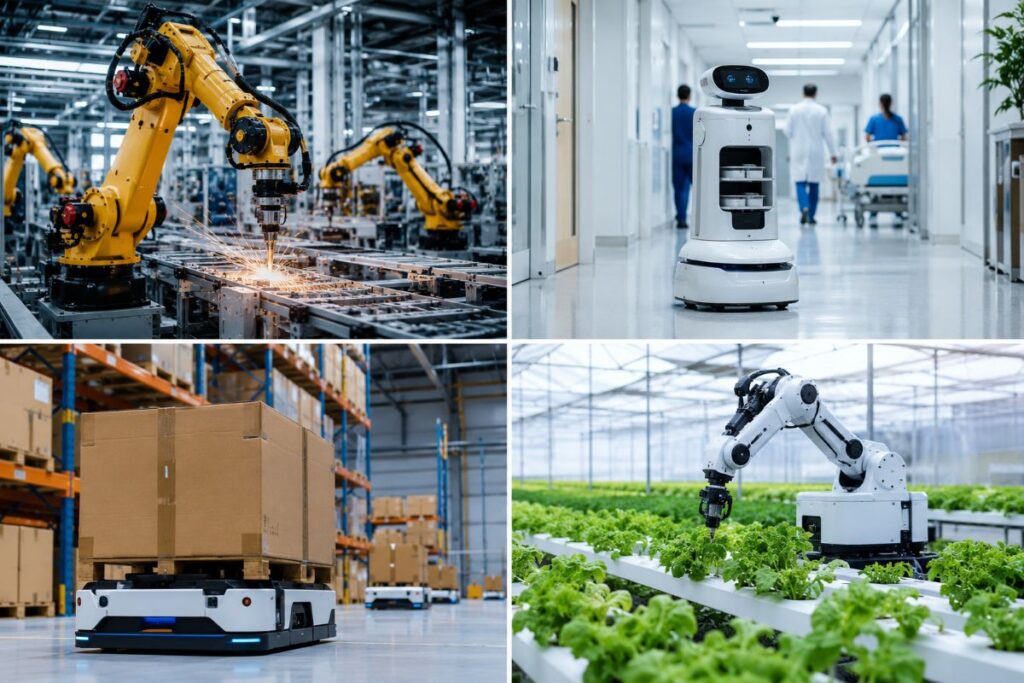
The plan focused on ten major fields.
| Economic Fields | Social and Public Fields |
|---|---|
| Manufacturing | Medical care |
| Agriculture | Elderly care |
| Construction | Education |
| Energy | Public and business services |
| Trade and logistics | Safety, emergency work, and extreme environments |
The plan also set practical targets: more than 100 robot application technologies and solutions, more than 200 typical application scenarios, and a group of model companies.
This was a shift in tone.
The earlier question was, “Can China build robots?”
The newer question became, “Where can robots create value now?”
That is the kind of question AX Robots follows closely, because real adoption often tells more than a product demo.
Humanoid Robots Moved to the Front Row
In October 2023, China issued a separate policy just for humanoid robots: the Guiding Opinions on the Innovative Development of Humanoid Robots.
This document gave humanoid robots a much higher status.
It described them as an advanced product that combines artificial intelligence, high-end manufacturing, and new materials. It also said they may become a disruptive product after computers, smartphones, and new energy vehicles.
That is a strong comparison.
It means humanoid robots are being treated as more than factory equipment. They are seen as a possible platform technology, something that could reshape many parts of life and industry.
The policy set two key milestones.
| Year | Main Targets |
|---|---|
| 2025 | Early innovation system, key breakthroughs in “brain, cerebellum, and limbs,” batch production, and demo use |
| 2027 | Stronger innovation ability, safer supply chain, larger scale, and world-advanced overall strength |
The “brain” means AI decision-making.
The “cerebellum” means motion control.
The “limbs” mean motors, joints, sensors, and mechanical parts.
These words sound simple, but the problem is hard.
A humanoid robot must see, think, balance, walk, lift, avoid danger, and work with people. One weak link can make the whole machine less useful.
Embodied AI Became a Future Industry
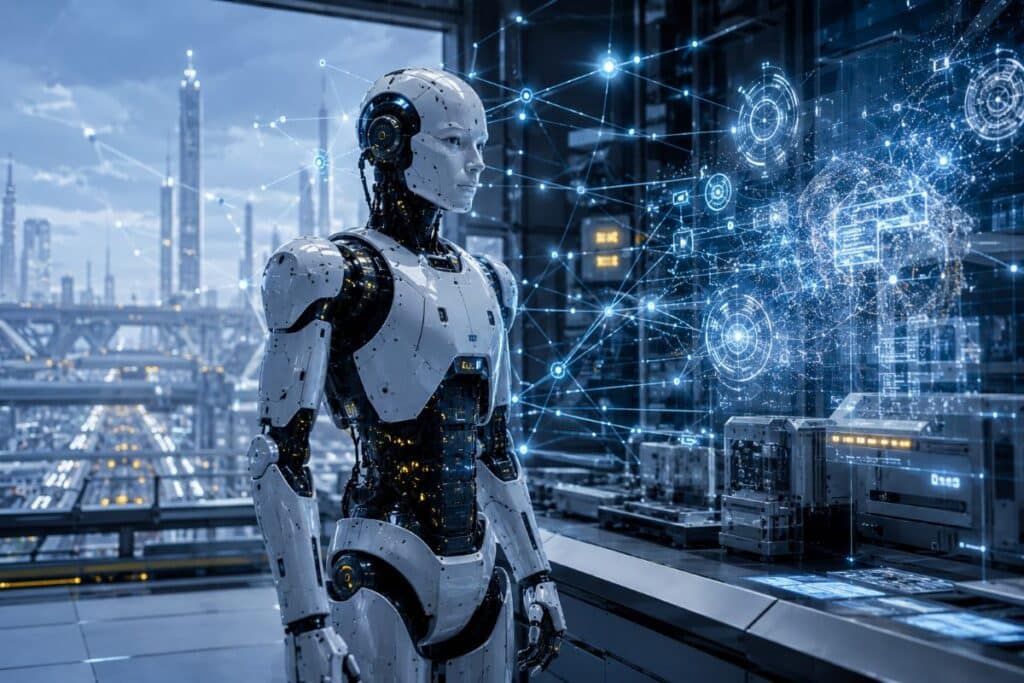
Humanoid robots are closely tied to a newer phrase: embodied intelligence, also called embodied AI.
This means AI that does not only answer questions on a screen. It can sense the real world and act in it through a physical body.
In January 2024, several Chinese ministries released an opinion on promoting future industries. Humanoid robots were listed as high-end equipment and as an important innovative product.
Then the phrase gained even more attention.
The 2025 Government Work Report mentioned embodied intelligence for the first time. The 2026 Government Work Report again called for developing future industries such as embodied intelligence.
This shows a clear rise in policy status.
Robots are strategic emerging industries.
Humanoid robots and embodied intelligence are future industries.
That difference matters. It suggests the government sees embodied AI as harder, newer, and possibly more important in the long run.
Standards Are Now Catching Up
A fast-growing industry can become messy.
Different companies may use different safety rules, test methods, data formats, and product definitions. That can slow adoption. It can also create risk.
In March 2026, China released the Humanoid Robot and Embodied Intelligence Standard System (2026 Edition).
This was an important step because it covered the full industry chain and the full life cycle.
In plain English, it means standards are being planned for many parts of the field:
- Basic shared technologies
- Key robot technologies
- Parts and components
- Complete machines and systems
- Applications
- Safety
- Testing and certification
The standard system marks a new stage. The industry is no longer only trying to move fast. It is also trying to become more orderly.
New Industry Groups Are Being Built
Policy is one layer. Organization is another.
China is also building groups and committees to connect government, large companies, suppliers, research bodies, and application sites.
One example is the Humanoid Robot and Embodied Intelligence Standardization Technical Committee under the Ministry of Industry and Information Technology. It was formed in December 2025.
Its work focuses on industry standards for shared technologies, key parts, full machines, systems, applications, and safety.
Another example came in February 2026, when the State-owned Assets Supervision and Administration Commission supported the creation of a central SOE “AI+” embodied intelligence industry community.
This group focuses on areas such as energy, manufacturing, and communications. It aims to connect AI technology with industrial chains and real application scenarios.
There was also earlier action from state-owned enterprises.
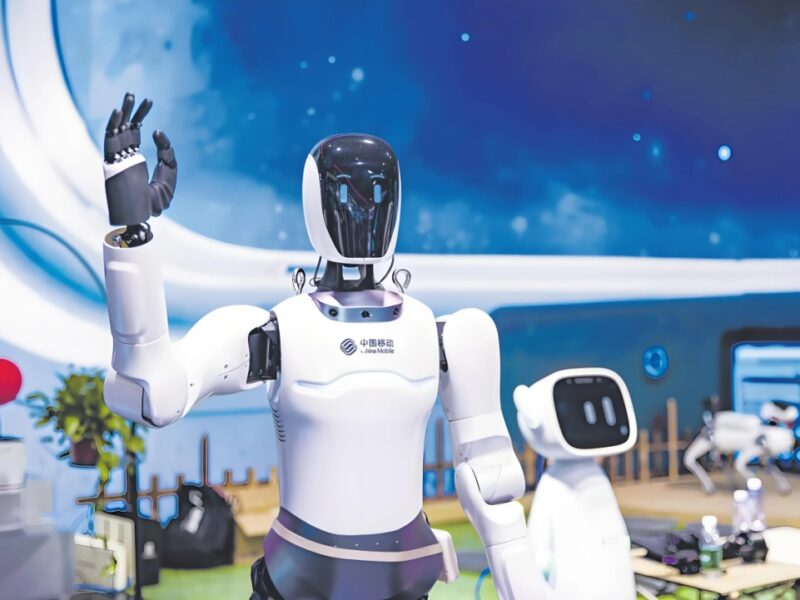
In April 2025, China Mobile led the creation of an Embodied Intelligence Industry Alliance. Its members included key companies across the supply chain, including well-known robot firms.
The alliance focuses on three areas:
| Focus | Meaning |
|---|---|
| Key technology breakthroughs | Solve hard technical problems |
| Standards | Make systems easier to test and connect |
| Application scenarios | Help robots enter real industries |
This matters because humanoid robots cannot grow through one company alone.
They need motors, chips, batteries, sensors, AI models, safety rules, datasets, testing labs, and customers willing to try new machines.
What the Policy Path Tells Us
China’s robot policy has moved in clear steps.
First, robots became part of high-end manufacturing.
Then, they became a strategic emerging industry.
Next, “Robot+” pushed them into real-world use.
After that, humanoid robots became a special policy focus.
Now, embodied intelligence is being treated as a future industry.
The message is not quiet.
China wants robots to become a major engine for manufacturing, services, public safety, health care, and future economic growth.
But one question remains open: can the technology match the ambition?
Some targets have already seen progress. Companies are building faster, attracting capital, and showing stronger products. Yet humanoid robots are still difficult machines. Walking on a stage is one thing. Working safely for hours in a factory, hospital, warehouse, or home is another.
That gap is where the next part of the story begins.
For AX Robots readers, policy is only the first layer. The deeper test will come from technology, cost, reliability, and the simple question every user asks:
Can this robot do useful work today?
 Humanoid Robots Move Into Real Business
 Lumos Robotics Raises Total Funding Near $140M
 War Robots Appear on the Ukraine Front
 China Mobile Unveils Lingxi Robot Family