
Assembly Robots: How Collaborative Robots Automate Small Part Assembly Efficiently
This article explores how cobots are reshaping small part assembly by improving precision, reducing costs, and enhancing safety—while also delivering a measurable return on investment (ROI).
Table of Contents
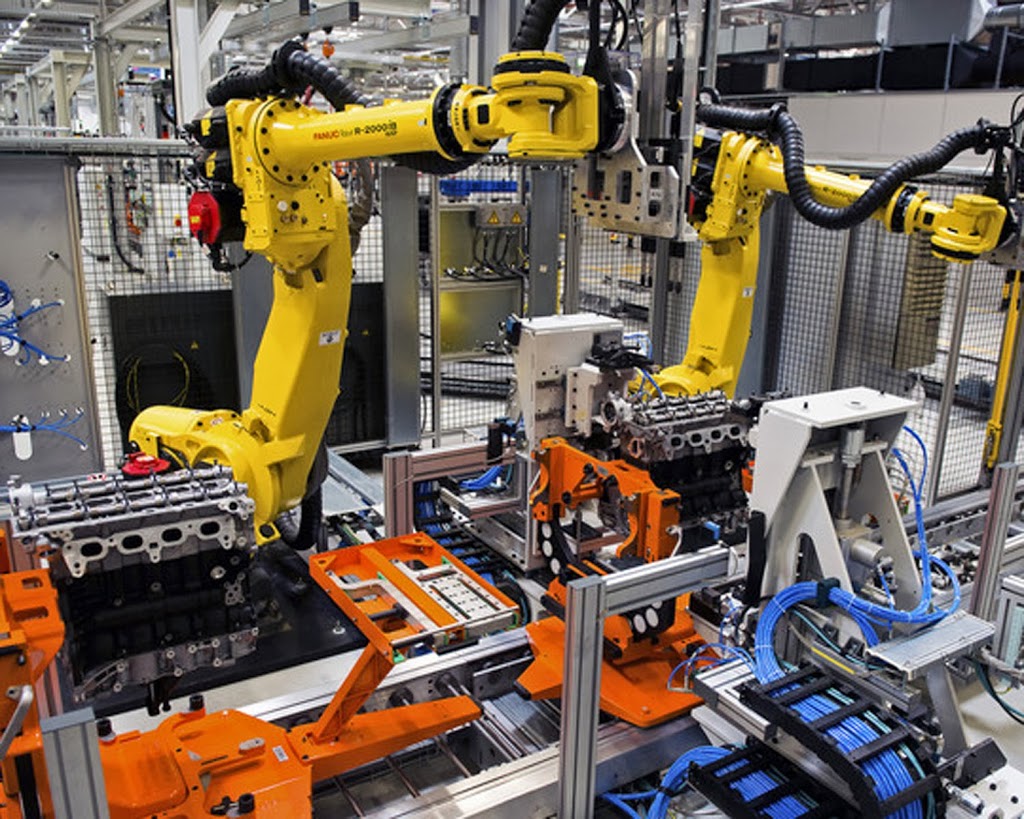
In today’s competitive manufacturing landscape, the demand for enhanced efficiency, precision, and reliability in small part assembly is higher than ever. To remain competitive, businesses must optimize their production lines—leveraging solutions like those offered by Blue Sky Robotics—to reduce costs and ensure workplace safety.
Collaborative robots, commonly known as cobots, present a transformative solution. By integrating sensor technology, artificial intelligence, and machine vision, cobots are designed to work directly with human operators. This article explores how cobots are reshaping small part assembly by improving precision, reducing costs, and enhancing safety—while also delivering a measurable return on investment (ROI).
What Are Collaborative Robots and How Do They Improve Small Part Assembly?
Cobots are specifically engineered to work safely alongside humans. They blend the consistency of automation with human flexibility by managing repetitive tasks using precise motion control and real-time sensor feedback.
Unlike traditional industrial robots, cobots are lightweight and do not require extensive safety barriers. Their user-friendly software makes them easy to program and adjust, enabling manufacturers to quickly adapt to different production requirements. This allows for faster deployment, higher productivity, and lower labor costs through seamless human-robot collaboration.
Key Differences Between Cobots and Traditional Industrial Robots
Cobots stand apart from traditional industrial robots in several fundamental ways:
- Safe Human Interaction: Built-in sensors monitor proximity and force to avoid injuries.
- Simplified Programming: Intuitive interfaces allow quick re-tasking by non-experts.
- Compact Design: Their modular structure fits easily into existing lines.
- Cost-Effective: Lower capital and maintenance costs make them accessible to more businesses.
These features make cobots ideal for manufacturers seeking scalable and flexible automation.
Enhancing Precision and Flexibility
Cobots excel in high-precision tasks by using laser sensors, cameras, and smart algorithms. They can adapt to dimensional changes and perform intricate tasks like:
- Component placement on PCBs
- Soldering connections
- Delicate assembly of medical devices
With the ability to quickly change end-of-arm tooling (EOAT) and software parameters, cobots provide unmatched flexibility for varying production demands.
Industries Benefiting From Cobot Assembly
Cobots are increasingly adopted across several industries, including:
- Electronics: For precise PCB assembly and inspection
- Medical Devices: For micro-assembly with strict quality control
- Automotive: For sensor and circuit board integration
- Aerospace: For high-reliability avionics assembly
- Consumer Goods: For packaging and small appliance assembly
Each of these sectors benefits from the speed, consistency, and scalability cobots offer.
Key Benefits of Using Cobots for Small Part Assembly
Cobots provide several measurable advantages:
- Increased Throughput: Continuous operation without fatigue
- Reduced Labor Costs: Automating repetitive or hazardous tasks
- Enhanced Safety: Sensors enable real-time adjustments to prevent accidents
- Scalability: Easily redeployable for new products or changing volumes
Real-time monitoring and feedback also reduce downtime and improve product consistency.
How Cobots Integrate Into Existing Systems
Successful cobot integration involves:
- Evaluating current workflows and identifying bottlenecks
- Installing and calibrating EOAT and sensors
- Configuring safety protocols and software interfaces
- Training personnel for optimal collaboration
This modular integration allows cobots to retrofit smoothly into existing production environments with minimal disruption.
Choosing the Right Cobot for Your Needs
When selecting a cobot solution, consider:
- Task Complexity
- Production Volume
- Budget
- System Compatibility
Evaluate models based on payload capacity, precision, ease of programming, and available support. The right combination of hardware, software, and EOAT ensures optimal performance and ROI.
Real-World Applications and Results
Electronics Manufacturing: Cobots have improved productivity by up to 30% in PCB assembly by reducing errors and increasing speed.
Medical Device Assembly: Manufacturers report fewer defects and better compliance through consistent quality control in assembling micro-sensors and valves.
Automotive and Aerospace: Cobots help automate wiring harnesses and avionics assembly, increasing throughput while maintaining high standards.
Industry Benefit Comparison Table
| Industry | Key Benefit | Metric | Example Application |
| Electronics | Precision & error reduction | Up to 30% defect reduction | PCB placement |
| Medical Devices | Regulatory compliance & consistency | 20% fewer errors | Micro-sensor assembly |
| Automotive | Throughput & flexible integration | 25% productivity boost | Sensor & circuit board assembly |
| Aerospace | Repeatability in complex tasks | Higher quality consistency | Avionics assembly |
| Consumer Goods | Labor cost reduction & safety | Less downtime | Packaging & light assembly |
Overcoming Common Integration Challenges
Despite their advantages, some challenges include:
- Legacy System Compatibility
- Programming Complexity
- Effective Human-Robot Interaction
These can be addressed through thorough planning, robust software, and vendor support. Ongoing training ensures smooth collaboration and long-term success.
ROI From Cobot Assembly Solutions
ROI from cobots often becomes apparent within 6 to 24 months, with key gains including:
- Lower Labor Costs
- Faster Production Cycles
- Improved Product Quality
- Reduced Waste and Rework
Real-time data and performance monitoring help refine operations, further maximizing return on investment.
 What is the role of cameras in pick and place robots?
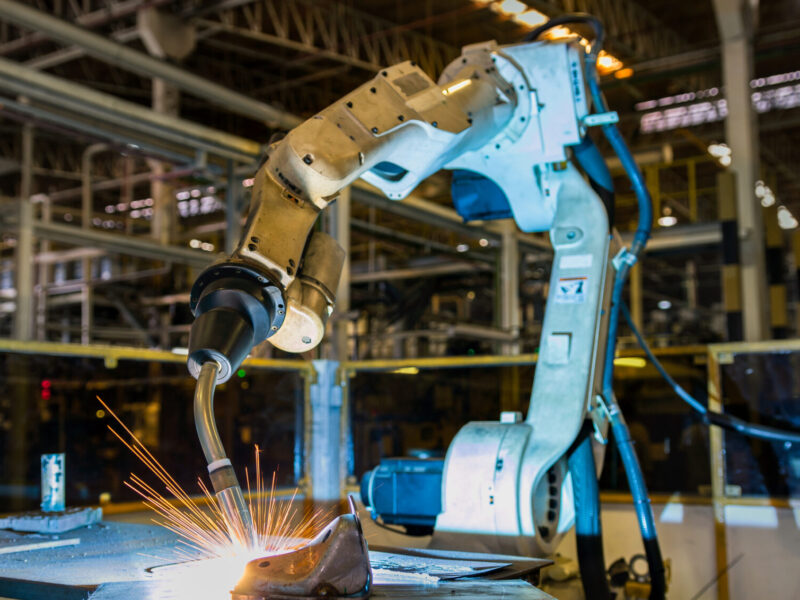 Everything You Need to Know About Robotic Welding
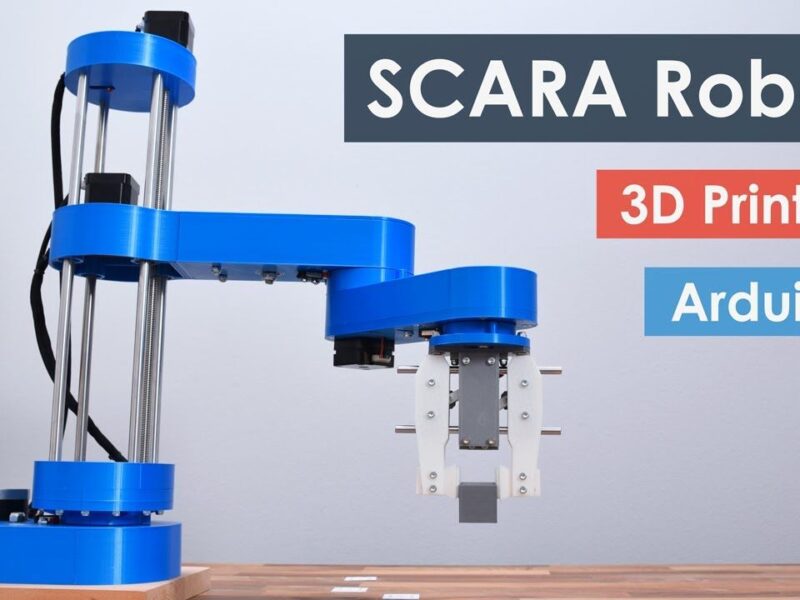 What Can You Do With a SCARA Robot?
 Pick and Place Robots Decoded: Benefits, Applications, and Trends