
8 Ways Agricultural Robots Are Transforming Modern Farms
Agricultural robots are a transformative force in modern farming, addressing critical challenges while unlocking new possibilities for enhanced productivity and sustainability.
Table of Contents
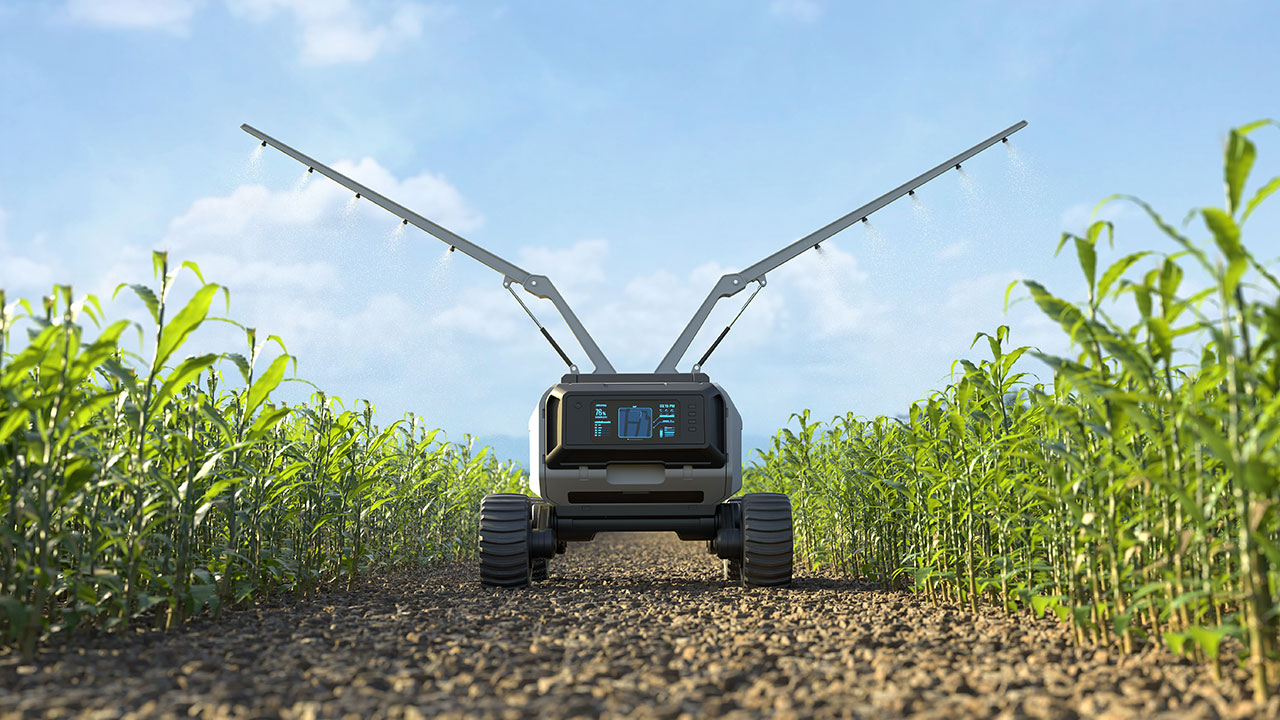
Agricultural Robots
Agricultural robots are a transformative force in modern farming, addressing critical challenges while unlocking new possibilities for enhanced productivity and sustainability. These sophisticated machines combine advanced sensors, artificial intelligence, and precision engineering to perform tasks that were once exclusively human-dependent. Applications for IoT technology and robotics in agriculture include automated harvesting systems, autonomous field monitoring equipment, and precision weeding and mowing systems like Renu Robotics.The global agricultural robots market is experiencing prominent growth, with an estimated value projected to reach USD 51.0 billion by 2029 from the 2024 valuation of USD 16.6 billion, indicating a significant Compound Annual Growth Rate (CAGR) of 25.2%. This expansion is driven by several factors, including labor shortages, the need for precision farming, and the demand for sustainable agricultural practices, and is expected to provide solutions for persistent agricultural challenges.
Automated harvesting systems represents the biggest segment, accounting for 43.7% of the market. These systems demonstrate the immediate practical value of agricultural robotics in addressing real-world farming challenges.
In 2025, the industry size of agriculture robots was estimated at USD 19.61 billion. This significant market size underscores the growing adoption of robotic farming technologies across diverse agricultural sectors.
How Are Robots Used in Agriculture?
Robots in agriculture serve multiple functions, from field preparation to post-harvest processing. These automated systems enhance precision, reduce labor costs, and improve overall farm efficiency. Agricultural robots perform tasks with consistent accuracy while collecting valuable data to optimize farming operations.
- Harvesting
- Planting, seeding, and fertilizing
- Weeding and crop maintenance
- Milking and livestock management
- Greenhouse operations
- Tractor and equipment monitoring
- Packing and palletizing
- Analysis and advanced farming techniques
Robotics in Agriculture
Robotics in agriculture encompasses both individual robotic units and comprehensive automation systems. While robots refer to specific machines capable of autonomous operation, agricultural robotics includes the broader ecosystem of automated technologies that work together to optimize farming processes.
Agricultural Robotics and Farm Automation
Agricultural robotics extends beyond individual machines to include interconnected systems that automate entire farming operations. These comprehensive solutions integrate sensors, wireless communications systems, edge computing and remote monitoring systems, as well as high-speed networking and data analytics to create intelligent farming environments.
Examples include precision irrigation systems that automatically adjust water delivery based on soil moisture readings, climate control systems that maintain optimal growing conditions in greenhouse environments, and soil sensors that continuously monitor nutrient levels and soil health parameters. This holistic approach to robotics and agriculture enables farmers to make data-driven decisions while reducing manual labor requirements.
Discover how precision agriculture can transform your farming operations.
Types of Farming Robots
Farming robots support a broad range of farming automation systems, from planting and fertilizing to cultivating, as well as automated milking, feeding, egg harvesting and packing, chick hatching and other livestock operations.
These machines can be categorized into three primary types:
- Six-axis robots provide exceptional precision and flexibility, making them ideal for delicate tasks such as fruit picking and plant grafting. These articulated machines can navigate complex environments while maintaining gentle handling capabilities.
- Mobile robots and drones support precision field operations, conducting aerial surveys, monitoring crop health, and performing targeted treatments across large agricultural areas. UAVs can be used for mapping fields, crop spraying and imaging for crop monitoring.
- Autonomous tractors combine wireless communications and GPS technology with advanced sensors to perform planting, cultivation, and harvesting tasks without human operators.
Each type of agriculture robot addresses specific challenges while contributing to overall farm automation goals.
8 Applications for Agricultural Robots
Agricultural robots serve diverse applications across modern farming operations, addressing everything from field preparation to post-harvest processing. These versatile machines enhance efficiency, reduce labor costs, and improve crop quality through precision automation.
Harvesting
Agricultural robots excel in harvesting applications, using advanced computer vision and robotic arms to identify and pick ripe produce with minimal damage. These farming robots operate continuously, significantly reducing harvest time while maintaining consistent quality standards. Strawberry picking robots, for example, can identify ripe berries and harvest them more gently than human workers. Challenges include adapting to varying crop conditions and ensuring reliable performance in diverse weather conditions. Related robotics solutions for agriculture include automated fruit sorting systems and quality inspection equipment.
Planting, Seeding, and Fertilizing
Farm robots revolutionize planting operations through precision seed placement and targeted fertilizer application. These agriculture robots use GPS guidance and soil sensors to optimize seed spacing and depth while applying fertilizers at precise rates. Automated planters can work around the clock, covering large areas with consistent accuracy. Benefits include reduced seed waste, improved germination rates, and optimized nutrient distribution. Challenges involve adapting to different soil conditions and crop varieties. Supporting agricultural robotics technologies include soil preparation equipment and automated irrigation systems.
Weeding and Crop Maintenance
Robotic farming systems excel at precise weed identification and removal, using computer vision to distinguish between crops and unwanted vegetation. These farming robots can apply herbicides selectively or perform mechanical weeding with minimal crop damage. Laser weeding systems represent cutting-edge technology, eliminating weeds through targeted energy application. Benefits include reduced herbicide use, improved crop health, and consistent weed control. Challenges include distinguishing between similar-looking plants and adapting to varying field conditions. Related robotics in agriculture solutions include crop monitoring systems and automated pruning equipment.
Milking and Livestock Management
Agricultural robots transform dairy operations through automated milking systems that operate continuously without human intervention. These ag robotics solutions improve animal welfare by allowing cows to be milked on their natural schedule while collecting detailed health data. Robotic milking systems can identify individual animals, monitor milk quality, and detect health issues early. Benefits include reduced labor costs, improved milk quality, and enhanced animal comfort. Challenges involve system maintenance and ensuring animal adaptation to robotic equipment. Supporting agriculture robotics technologies include automated feeding systems and livestock monitoring sensors.
Greenhouse Operations
Robotic agriculture systems optimize greenhouse environments through automated climate control, plant monitoring, and harvesting operations. These farming robotics solutions maintain optimal growing conditions while performing tasks such as transplanting seedlings and monitoring plant health. Greenhouse robots can navigate between plant rows, collecting data on growth patterns and identifying potential issues. Benefits include improved crop yields, reduced labor costs, and consistent environmental monitoring and control. Challenges include adapting to different plant varieties and maintaining equipment in humid conditions. Related robotics in farming technologies include automated irrigation systems and nutrient delivery equipment.
Tractor and Equipment Monitoring
Robot farming extends to autonomous tractors and equipment monitoring systems that optimize field operations through GPS guidance and sensor integration. These agricultural robot systems perform tasks such as plowing, planting, and harvesting with minimal human supervision. Advanced monitoring systems track equipment performance, fuel consumption, and maintenance needs. Benefits include improved efficiency, reduced fuel costs, and enhanced safety. Challenges involve ensuring reliable operation in varying field conditions and integrating with existing farm equipment. Supporting farm robotics technologies include GPS guidance systems and telemetry equipment.
Packing and Palletizing
Farming robot systems streamline post-harvest operations through automated packing and palletizing equipment. These robotics farming solutions sort, package, and stack products with consistent accuracy and speed. Robotic packers can handle delicate produce while maintaining food safety standards throughout the process. Benefits include reduced labor costs, improved package consistency, and enhanced product quality. Challenges involve adapting to different product sizes and maintaining gentle handling for fragile items. Related agricultural robotics technologies include automated sorting systems and quality inspection equipment.
These systems can help to optimize resource utilization in farming supply chain.
Analysis and Advanced Farming Techniques
Agriculture robot systems enable advanced farming techniques through continuous data collection and analysis. These farming robotics solutions monitor soil conditions, crop health, and environmental factors to optimize farming decisions. Analytical robots can identify disease outbreaks, nutrient deficiencies, and pest infestations before they become critical issues. Benefits include improved crop yields, reduced input costs, and enhanced sustainability. Challenges involve processing large amounts of data and integrating findings into farming operations.
 Underwater Robotics: Revolutionizing Marine Exploration and Industry
 Rescue Robots: Helping Save Human Lives
 How Modern Inspection Robots Improve Efficiency and Reduce Costs
 How Construction Robotics is Transforming the 21st Century Jobsite